

Chronic Low Back Pain Treatment That Needs More Than a Quick Adjustment
When back pain has lingered for months or years, the cause is rarely one simple thing. We take the time to listen, map your full history, and work through the physical, postural, and deeper patterns until we find what actually helps.
If your low back has been a problem for a long time…
You’ve probably already tried stretches, the occasional adjustment, or advice to “just strengthen your core.” Chronic low back pain can come from discs, the joint complex, muscle trigger points, visceral sources, work ergonomics, strength or conditioning gaps, or layers that are more emotional or stress-related. Often several of these are involved at once, and the neck or mid-back is frequently part of the same pattern. Resolving it requires someone who will sit with you, review every relevant injury and habit, and stay with the process long enough to sort out what is actually driving the pain.

Why chronic low back pain is different
Acute pain often has a clearer trigger. Chronic pain usually does not. It can be discogenic, muscular, joint-related, visceral, or a mix. It can also be influenced by how you sit at work, previous injuries, hormonal or chemical factors, or the way the body has held tension over years. A quick look and a standard adjustment are rarely enough. It takes a thorough history, a holistic view, and the willingness to test different approaches until the right combination is clear.

How we approach it at Frequency Chiropractic
The first step is listening. We go through your full health history, past injuries, work setup, daily habits, and anything else that might be contributing. From there we look at the whole picture—physical limitations, strength and conditioning, ergonomics, and the ways stress or emotional patterns can show up in the tissues.
Treatment is individualized and may include:
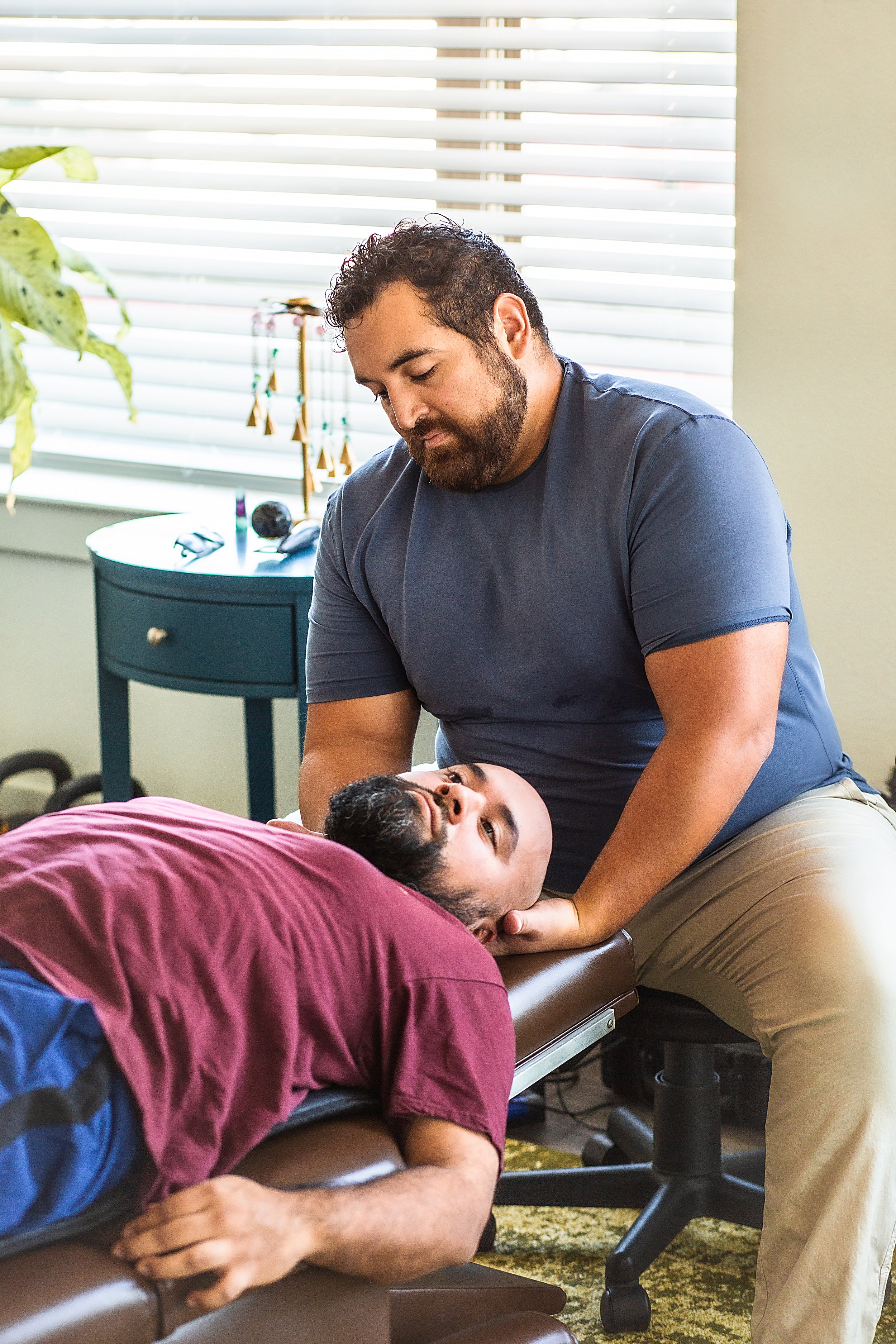
Specific Sacral Occipital Technique (SOT) adjustments and gentle mobilization when they are indicated
Trigger-point and myofascial work for muscle-driven pain
Frequency therapies (laser, microcurrent) to calm irritated tissue
Clear recommendations for home care, movement, or ergonomic changes
Sometimes the best next step is a skilled physical therapist. When that is the case, I make the referral. Sometimes a precise adjustment or a different soft-tissue focus is what finally shifts things. Finding the right path can involve a bit of trial and error, which is why the process is built around weekly visits and ongoing conversation until we see real progress.
What the process usually looks like
Chronic cases generally need a longer-term approach. We typically start with weekly visits so we can track changes, adjust the plan, and keep momentum. Progress is rarely perfectly linear; it often takes patience while we rule things in or out. The goal is not just temporary relief but understanding and resolving the pattern so the pain does not keep returning. Neck and mid-back pain are frequently part of the same picture and are addressed as needed.
Who this is specifically helpful for
People whose low back pain has lasted months or years despite other care
Those who suspect multiple factors (work posture, old injuries, stress, strength gaps) are involved
Patients who want a practitioner who will take a full history and stay with the process
Anyone open to a holistic view that includes physical, postural, and deeper patterns
Those who prefer care in the Central Austin / Brentwood office or via house call
Frequently Asked Questions
-
Chronic pain usually has more layers—old injuries, daily habits, strength or mobility deficits, and sometimes stress-related holding patterns. It rarely resolves with a single technique and needs a more thorough evaluation and longer course of care.
-
No. Adjustments are used when they are clearly helpful. Other times the priority is soft-tissue work, movement changes, ergonomics, or a referral to physical therapy. The plan follows what your history and response show.
-
Most chronic cases need weekly visits for a period of time while we identify and address the main drivers. The exact length varies. We reassess regularly so the plan stays focused on progress.
-
Yes. If PT is the clearer next step, I will say so and help coordinate. The priority is finding what actually resolves the pain, not keeping every treatment in-house.
-
Yes. Long-term pain often involves more than structure. When relevant, we look at how stress, posture, and protective patterns are contributing and address them alongside the physical work.
-
Often yes. Chronic low back, mid-back, and neck pain frequently influence one another. We evaluate the whole spine and related patterns rather than isolating one area.
-
Yes. House calls are available for chronic pain care. Office visits are in the Brentwood / Central Austin area.
Ready to sort out what is actually going on?
If chronic low back pain (or related neck or mid-back pain) has been lingering, we can start with a free 15-minute consult or book an initial visit. The first step is a thorough conversation so we can map the real drivers and build a plan that fits.