
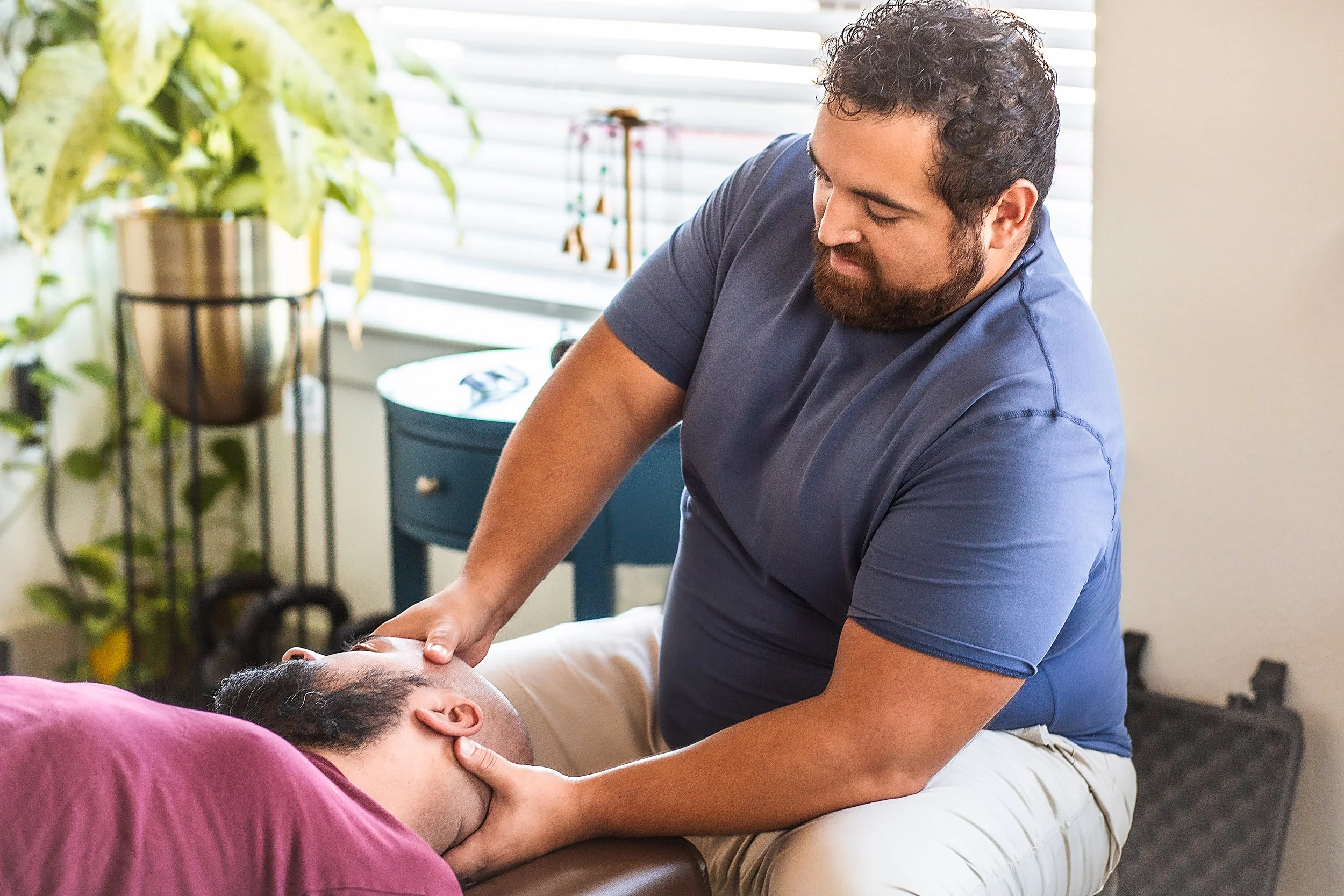
Sciatica Relief in Austin Without Aggressive Adjusting
When the sciatic nerve is inflamed—whether from a disc, the piriformis, or stenosis—we use precise Sacral Occipital Technique, supportive blocks, and frequency therapies to reduce pain and help your body heal.
If you’ve been dealing with shooting pain down your leg…
You know how disruptive it is. Sitting hurts. Standing hurts. Driving, walking the dog, or playing pickleball suddenly feels risky. Sciatica can start suddenly after a movement, or it can linger as a chronic issue that keeps flaring. Either way, the goal is the same: calm the inflammation on the sciatic nerve and address what’s actually irritating it so the pain doesn’t keep coming back.
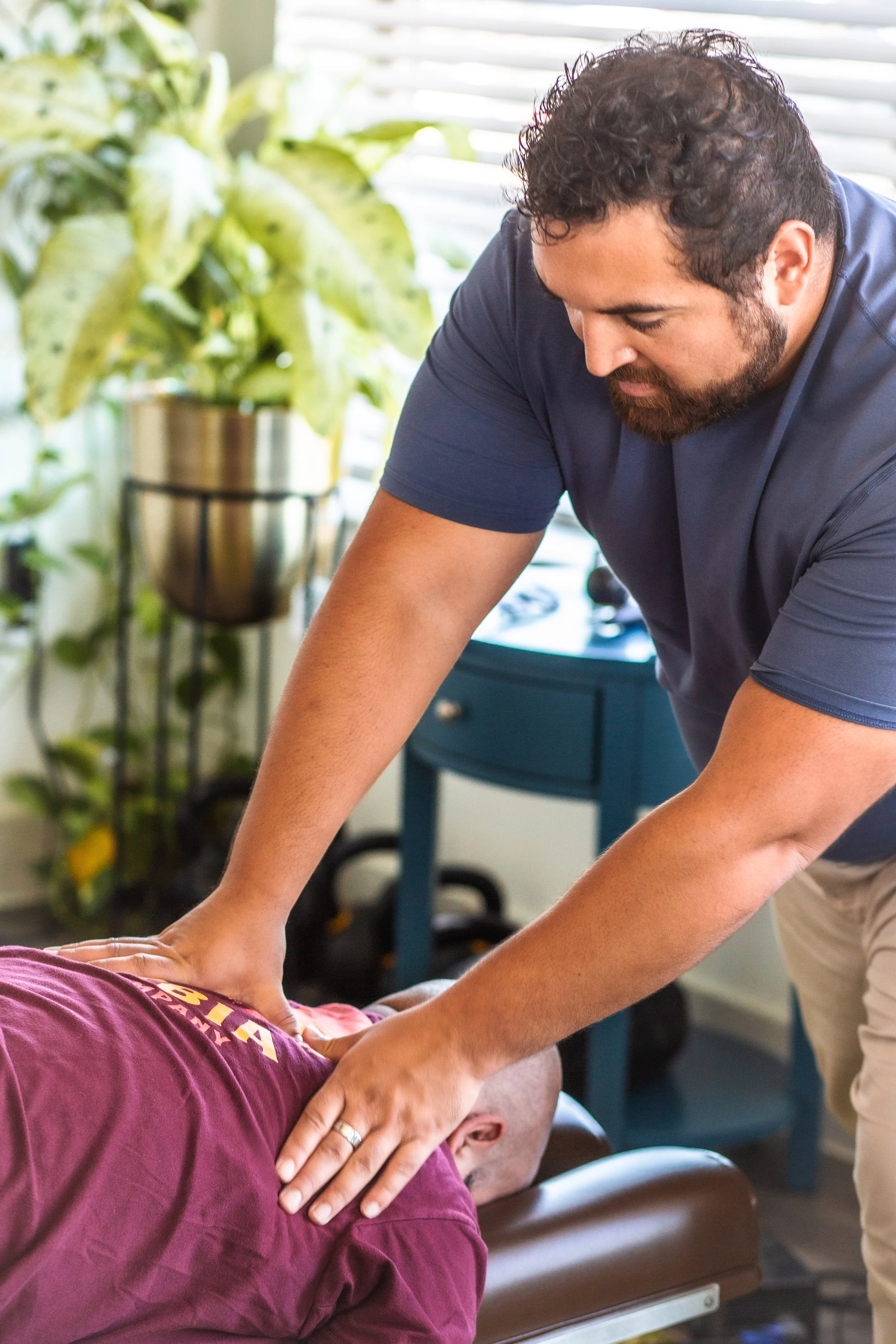
What sciatica is
Sciatica is inflammation or irritation of the sciatic nerve. The pain (or numbness, tingling, or weakness) typically travels from the low back or buttock down the back of one leg. It is a symptom, not a single diagnosis—the treatment depends on what’s compressing or inflaming the nerve.
Common causes we see:
Piriformis syndrome — the piriformis and surrounding glute muscles tighten and pinch the sciatic nerve
Disc bulge or herniation — disc material irritates the nerve root
Foraminal stenosis — the canal the nerve exits through narrows and puts pressure on the nerve
Other disc or joint issues in the low back

How we treat sciatica at Frequency Chiropractic
Treatment is tailored to the cause and how acute or chronic the pain is. We primarily use Sacral Occipital Technique (SOT), specifically the Category 3 protocol for sciatic and disc-related pain.
This includes:
Gentle cranial, upper back, and low back adjustments that help modulate pain pathways
Pelvic blocks (wedges) to position the spine and pelvis in a comfortable, supported position so the body can heal
Very little aggressive force—especially helpful when a disc is involved and you’re in significant pain
We also use:
Red light therapy and microcurrent frequencies to reduce local inflammation
Specific supplementation protocols to support overall inflammation reduction
Fascial and soft-tissue work when the piriformis or glutes are the main drivers
Side-posture low-back adjustments can be helpful for some people, but they’re not automatic. We only use them when the case and your body indicate they’ll be beneficial.
What the first few weeks typically look like
For acute sciatica (or an acute house-call situation):
Most people need about 3 visits, twice a week, over the first two weeks to meaningfully bring the severity of the pain down
Over the following four weeks, we continue with SOT and frequency work to accelerate recovery and stabilize the area
Chronic cases often need a similar initial focus on calming the nerve, then longer-term work to address the underlying pattern so it doesn’t keep returning. Every case is individual—we adjust the plan based on how you respond.

Who this is specifically helpful for
People with disc-related sciatica who want a gentle approach
Those whose pain is driven by the piriformis or glutes
Active adults and pickleball players dealing with recurring leg pain
Anyone who prefers supportive positioning and frequency therapies over forceful adjusting
Patients who want care in the Central Austin / Brentwood office or via house call
Ready for a different approach?
If sciatica is limiting your movement or keeping you from the things you enjoy, we can start with a free 15-minute consult or book an initial visit (office or house call).
Frequently Asked Questions
-
No. We do not do aggressive adjusting unless a specific case truly needs it. Most sciatica care here is gentle SOT with blocks, cranial work, and supportive adjustments. Side-posture low-back adjustments can help some people and not others—it depends on your unique presentation.
-
Acute cases often need three visits (twice a week) over the first two weeks to reduce the worst of the pain, then continued care over the next four weeks to accelerate recovery. Chronic cases vary. We’ll give you a clearer sense after the first visit.
-
Yes. Category 3 SOT and the use of blocks are specifically designed to support disc-related pain and put the spine in a position that facilitates healing without aggressive force.
-
We address the glute and piriformis tightness that can pinch the nerve, along with the spinal and pelvic factors that contribute to it.
-
Yes—specific protocols to help reduce overall inflammation, used alongside the hands-on and frequency work.
-
If you have progressive weakness, loss of bowel or bladder control, or severe unrelenting pain, seek medical evaluation promptly. We’re happy to coordinate or refer when needed.
-
Yes. House calls are available for chronic pain care. Office visits are in the Brentwood / Central Austin area.